About Synced
People-first AI, built by people who deliver.
We help businesses save time and money without burning out their team. AI only belongs where it makes work calmer and clearer.
 25+ years
digital delivery
25+ years
digital delivery Practical
first
Practical
first- You own it
Est. 25+ years in digital delivery
Ideas → Better work
Our purpose
Why Synced exists
After 25+ years in digital work, the pattern is familiar: teams lose time and energy in the same places again and again, while most AI advice stays at the level of theory. Synced was created to close that gap with people-first, delivery-focused implementation.
The goal is not to force AI into every corner of a business. It is to find the points where better systems create real relief, reduce team pressure and remove operational friction, then build those systems quickly and sensibly.
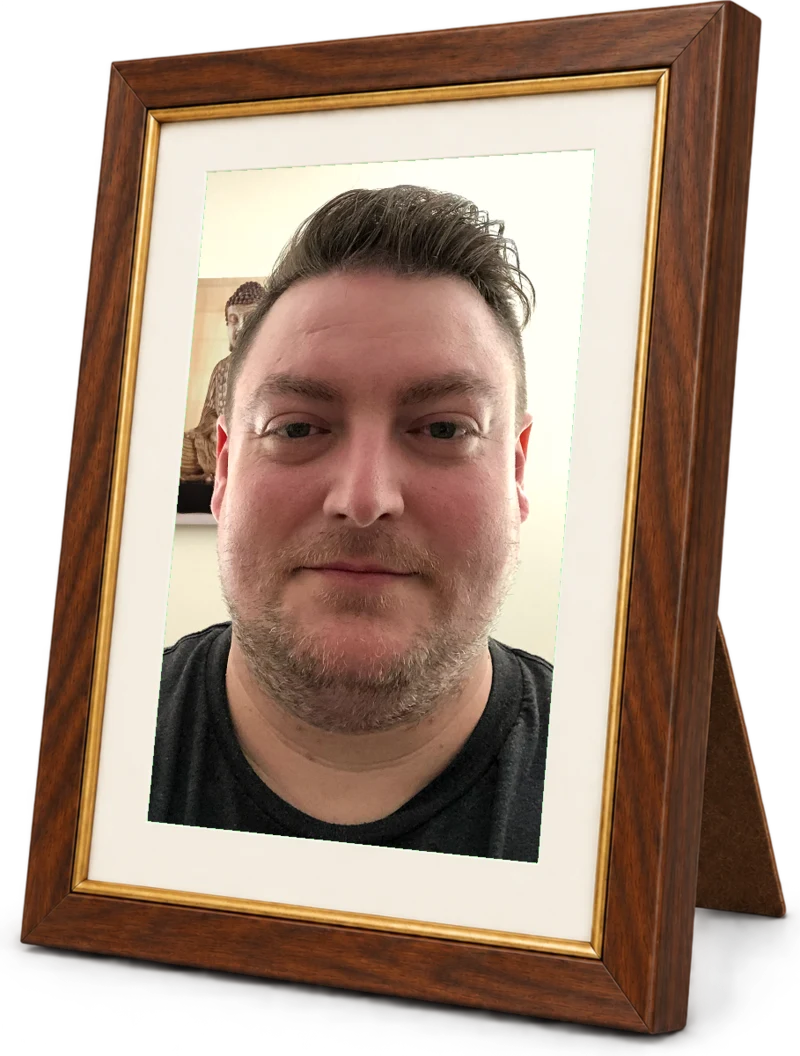
Synced is led by Scott Mackey, who has spent more than two decades building digital products and running delivery across agency, startup and enterprise teams.
Our principles
How we work

Every recommendation is grounded in delivery reality, not abstract AI possibility.

If AI is not the right answer, we recommend simpler automation or process changes instead.

Approvals, exceptions and sensitive steps keep clear human review points.

You get ownership, documentation and less consultant dependency.
Our commitment
Responsible AI as a baseline
Good systems should be useful, understandable and safe to run.

- Human oversight on every system
- Privacy-first data handling
- Transparent about limitations
- No vendor lock-in
FAQs
Good to know.
Who runs Synced?
Synced is led by Scott Mackey, who has 25+ years of experience building digital products, running delivery and fixing operational problems for agencies and their clients. The work itself is done by the Synced team.
Where are you based?
In Somerset, UK. We work with businesses across the UK and help international clients too, with calls and delivery done remotely.
Do you train AI on our data?
No. Your data stays yours. We follow consent-first principles, and nothing is used for training without your explicit agreement.
What if AI is not the right answer?
We say so early. Where simpler automation or a process change works better, that is what we recommend.
Are we locked into one AI provider?
No. We are model-agnostic across Anthropic Claude, OpenAI, Google Gemini and open-weight models, so your system can move if a provider changes its prices or terms.
Stop paying for admin
A free 30-minute call. We’ll show you where the money goes.